The information we provide here should not be used as a substitute for professional medical care or guidance. When trying new herbs or medications, special caution is recommended when young children are involved and if you are pregnant or breastfeeding.
Kalanchoe pinnata, previously known as Bryophyllum pinnatum. Also know as air plant, air leaf, cathedral bells, life plant, Goethe plant, katakataka, pather chat, paan -futti, wonder of the world, tree of life. This real wonder is native from Madagascar and grows easily outdoors in any subtropical and tropical climate; it can also be grown indoors in temperate climates, making a nice ornamental plant.
If you wonder why the Goethe name, it is because Johann Wolfgang von Goethe, the German poet, playwright, and naturalist, thought that this plant contributed so much to human wellbeing that it could not be kept a secret and he gifted this plant to as many of his friends and acquaintances as he could.
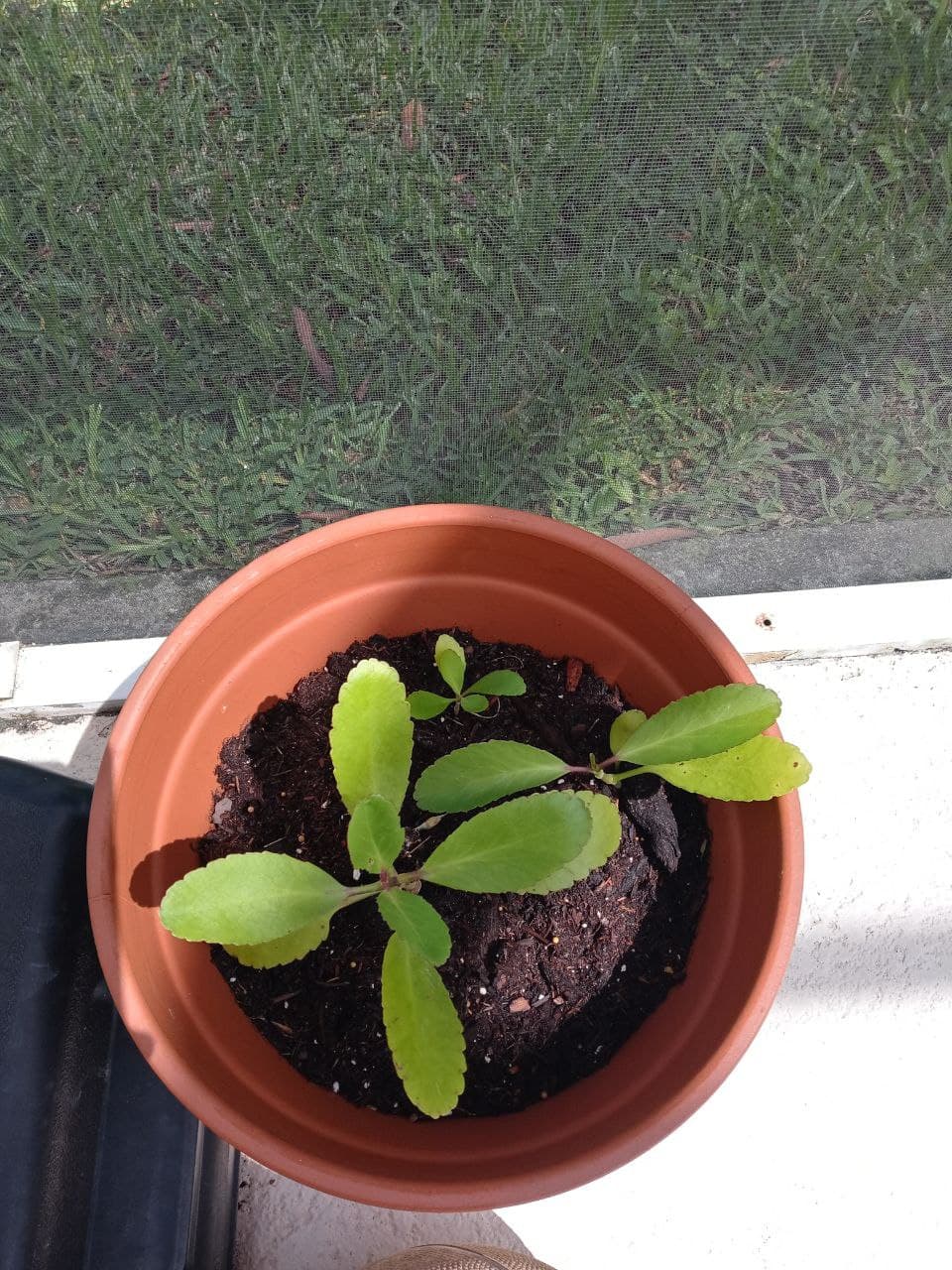
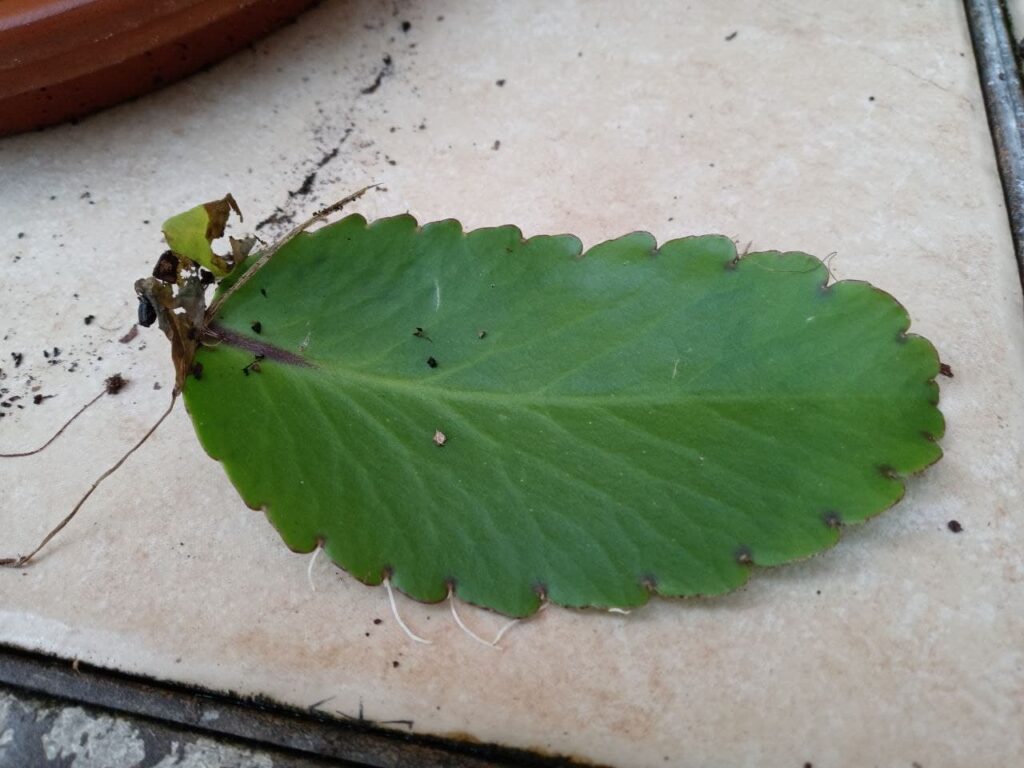
It is what in some parts of the world is called a “grateful” plant, because it grows easily and plentiful. From one leaf, you can obtain many plants without even making the effort of potting it.
It can be planted directly in the ground or in a pot and will grow up to one meter tall, sometimes reaching five feet.
This is a plant that will thrive in the sunlight with a moderate amount of water.
Its flowers look like little bells that grow at the top of tall stems and have a gentle orange pinkish color. Its leaves, beautifully shaped from ovate to elliptic are fleshy and succulent, with rounded, scalloped margins.
Aptly called the Tree of Life in the Caribbean, this plant has so many medical uses that we have to wonder why no more studies have been done about its properties.
You may drink as tea or as a decoction (methods shown in our “How To” section); by crushing them in a mortar and run them through a sieve to extract the juice or by eating the leaves.
Kalanchoe is somewhat of a panacea to the indigenous peoples of the Amazon; they employ it for many different purposes.
The Creoles use the lightly roasted leaves for cancer and inflammations, and a leaf infusion is a popular remedy for fevers.
The Palikur mix the leaf juice with coconut oil or andiroba oil and then rub it on the forehead for migraines and headaches.
To the Siona indigenous peoples, kalanchoe is known as ‘boil medicine’ and they heat the leaves and apply them topically to boils and skin ulcers.
Along the Rio Pastaza in Ecuador, natives use a leaf infusion for broken bones and internal bruises.
In Peru, indigenous tribes mix the leaf with aguardiente (sugar cane rum) and apply the mixture to the temples for headaches; they soak the leaves and stems overnight in cold water and then drink it for heartburn, urethritis, and fevers. The root is also prepared as an infusion and used for epilepsy.
Other tribes in the Amazon squeeze the juice from fresh leaves and mix it with mother’s milk for earaches.
Throughout South America kalanchoe has had a long history of use. It is commonly called the ‘miracle leaf’ and ‘life leaf’ for its remarkable healing properties. In Brazil the plant is considered a sedative, wound-healer, diuretic, anti-inflammatory and cough suppressant. It is used for all sorts of respiratory conditions-from asthma and coughs to bronchitis. It is also employed for kidney stones, gastric ulcers, skin disorders and edema of the legs. Externally a leaf infusion or the leaf juice is used for headaches, toothaches, earaches, eye infections, wounds, ulcers, boils, burns and insect bites. In Peru the plant is employed for the same uses. In Mexico and Nicaragua kalanchoe is used for similar purposes and also to promote menstruation and assist in childbirth.
USES:
We are listing here only a few. Please be cautions when using kalanchoe pinnata as studies on this plant have been extensive yet experimental.
anti-inflammatory
anti-parasitic
anti-bacterial
anti-cancer
anti-depressant
Some things to do:
Chronic tonsilitis: Chew one leave for three days. I did this by recommendation of a man when we lived in Ecuador. After many years of countless antibiotic cycles and lozenges, finally I was free. Results could vary per person.
Headache: Heat leaf or leaves in the microwave or on the stove until hot. Place on the forehead as soon as you are able so that there is still a significant amount of heat left in it. Re-warm the leaf accordingly placing it on the forehead repeatedly for at least ten minutes.
Backache/Rheumatism: Heat leaves until hot (about 100° F). Place them on the aching area and lie down on your stomach. Place a heating pad or a hot water bottle over the leaf so that continuous heat will help it release its juices on your ache. When you are on the go, place the warmed leaf on the sore spot and wrap it so that it stays in place for the day.
Foot Soaks: Using at least three Wonder of the World leaves, place in a basin and fill with hot water. You can also add things that smell nice if you like, such as Menthol, peppermint or eucalyptus oil. Submerge feet for at least 30 minutes. For a more relaxing soak, take two more leaves, warm them, and put them under your feet and then put a pair of comfy socks on for the night. Let the leaves work their magic while you sleep.
Styes: Heat the leaf. Place it over your eye for a minute or two, 3 to 6 times a day. Keeping the leaf over the eye reduces the size and redness of the stye. Warm tea can also be considered as an alternative. Having a warm compress over the stye will help eliminate the pus in the stye and reduce the inflammation.



Recent Comments