
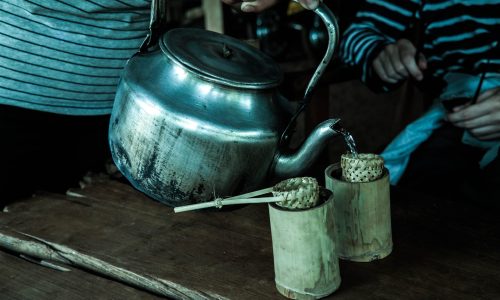
How to Make A Good Cup of Tea
By: Narda
October 09, 2026
Share your results with us on Instagram
I grew up thinking that tea could cure almost everything, from a bad cold to heart ache. My mother was a firm believer in its goodness, and nothing was better than a good cup of tea with sugar and lime juice when I was cold, sniffing, or sad.
Making the perfect cup of tea is for many a ceremony in which water and plant in unison provide us with a fragrant and flavorful brew and, many times, thanks to its many antioxidants, offering health benefits in addition to their soothing pleasure.
Tea leaves in their many varieties: Black, green, white, herbal or oolong will express themselves in different ways.
Below, for our health and pleasure, I have put together the advice of the experts, adding my own take here and there:
- Always start with fresh, cold water. Never use water that has been boiled before, the taste of water changes after boiling and boiling it twice will alter the flavor of your tea, and not for the better.
- Using filtered water when available has been recommended by many, but it is not a must. Water coming from some private wells could be especially delicious.
- The right temperature is very important, but it can be a matter of taste preference. Pouring boiling water onto delicate teas, such as green and white, makes them bitter.
But not all of us have a thermometer to reach the perfect “hotness”. If you do not want boiling water poured over your tea, take the kettle off just before it boils. If you are too late and the water boils, turn the kettle off and wait for a minute or two and then pour over your tea leaves.
Water boils at 212° and every minute we keep the kettle off the “ fire”, its temperature goes down by approximately 10°.
- How do we know when the water is about to boil so we can take off the kettle? Listen and watch, it is like a musical production; the water starts softly increasing its volume as it reaches its boiling point. Observe, it starts with tiny bubbles increasing their size as the water temperature rises.
- Herbal teas, not coming from the Camellia sinensis plant, are robust plants such as chamomile, mint, rooibos, oregano, etc. that benefit from high temperatures and longer steeping times. For medicinal teas, I would follow the directions given by the herbalist or your doctor.
Water temperature will determine:
- Flavor – high temperatures draw bolder tannins triggering bitterness.
- Aroma – the essential oils of the plants require specific temperatures to be freed.
- Nutrients – High temperatures could reduce the antioxidants in some teas, such as green and white.
- Leaf integrity – High temperatures could damage delicate teas and change the taste and appearance of the brew.
- I like adding boiling water to my tea regardless, my dear friend Evi-Maria, likes to stick to the right temperature. Follow your heart and tastebuds.
For the purists, I have included here a guide of the different temperatures, and times for each tea.
- Black tea: 200 to 212°F = 93 to 100°C
- Green tea: 160 to 180°F = 70 to 80°C
- White tea: 160 to 185°F = 70 to 85° C
- Oolong tea: 185 to 205°F = 85 to 96°C
- Herbal teas: 200 to 212°F = 93 to100°C
- How much tea? Normally 1 tsp of loose leaves or one teabag for each 8 oz. cup. Loose leaves give you fuller flavor as they stretch fully when in contact with the water.
- How long should we steep the teas?
- Black: 3 to 5 minutes
- Green: 2 to 3 minutes
- White: 3 to 5 minutes
- Oolong: 3 to 5 minutes
- Herbal: 5 to 7 minutes
Remember, longer doesn’t mean stronger or tastier. If you are just starting this path, my recommendation is that you test different temperatures and steeping times and opt for the ones that provide you with what is important to you. Tea is about enjoyment, relaxation, and benefits – all in one.
Can we add to our tea? Oh yes! Conservatively, you can add milk, cream, sugar, honey, lime or lemon juice.
Adventurously, you can add to your tea pot three cloves, three cardamon pods opened to expose the seeds, a small cinnamon stick or all of them together.
If you decide to go for this adventure, depending on which you choose, these will not only add to its flavor, but will prove to be beneficial to your health, reducing inflammation and pain, enhancing liver health, helping manage your blood sugar, also aiding digestion and reducing bloating, lowering blood pressure, improving insulin sensitivity, enhancing your oral health and breath and supporting your heart’s health. All will support your immune system.
Now we are ready! You might want to let it cool a bit before drinking. Then, sit down, relax and sip… let tea transport you to your perfect place of enjoyment.
STEP BY STEP
What you will need:
- Teapot
- Herb, tea leaves
- Boiling water
- Sieve
- Tea cups
What you need to do:
- Prepare a four-cup teapot by adding about 1/3 cup boiling water and swirl it gently to warm the pot; then throw it away.
- Immediately add the indicated amount of the herb to the pot and pour hot or boiling water on it, depending on your preference or given instructions. Let it brew for at least three minutes and up to seven. Some herbs might require longer steeping time.
- If you have dry leaves, chop or crumple them before steeping them.
Extra tips
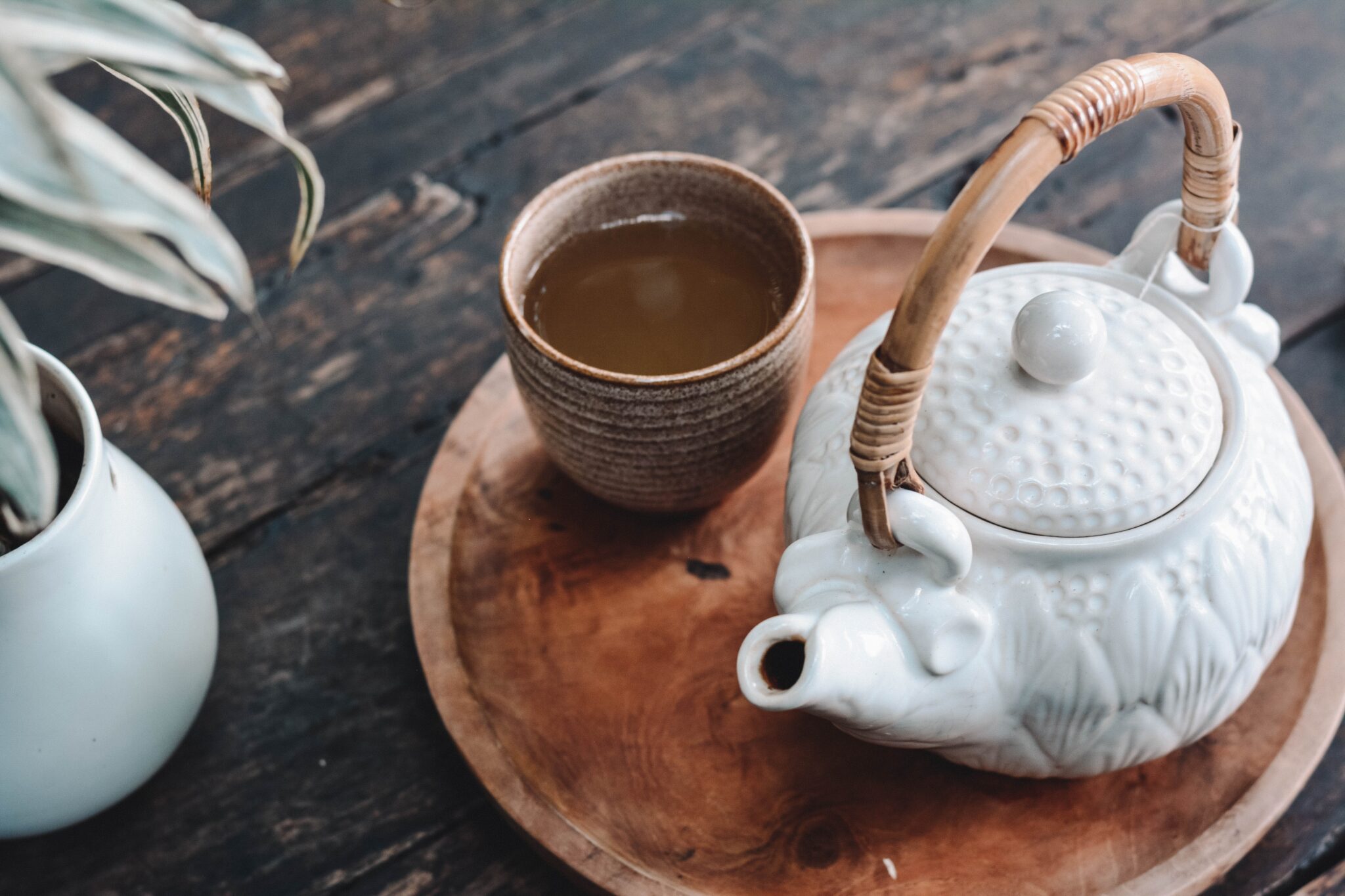
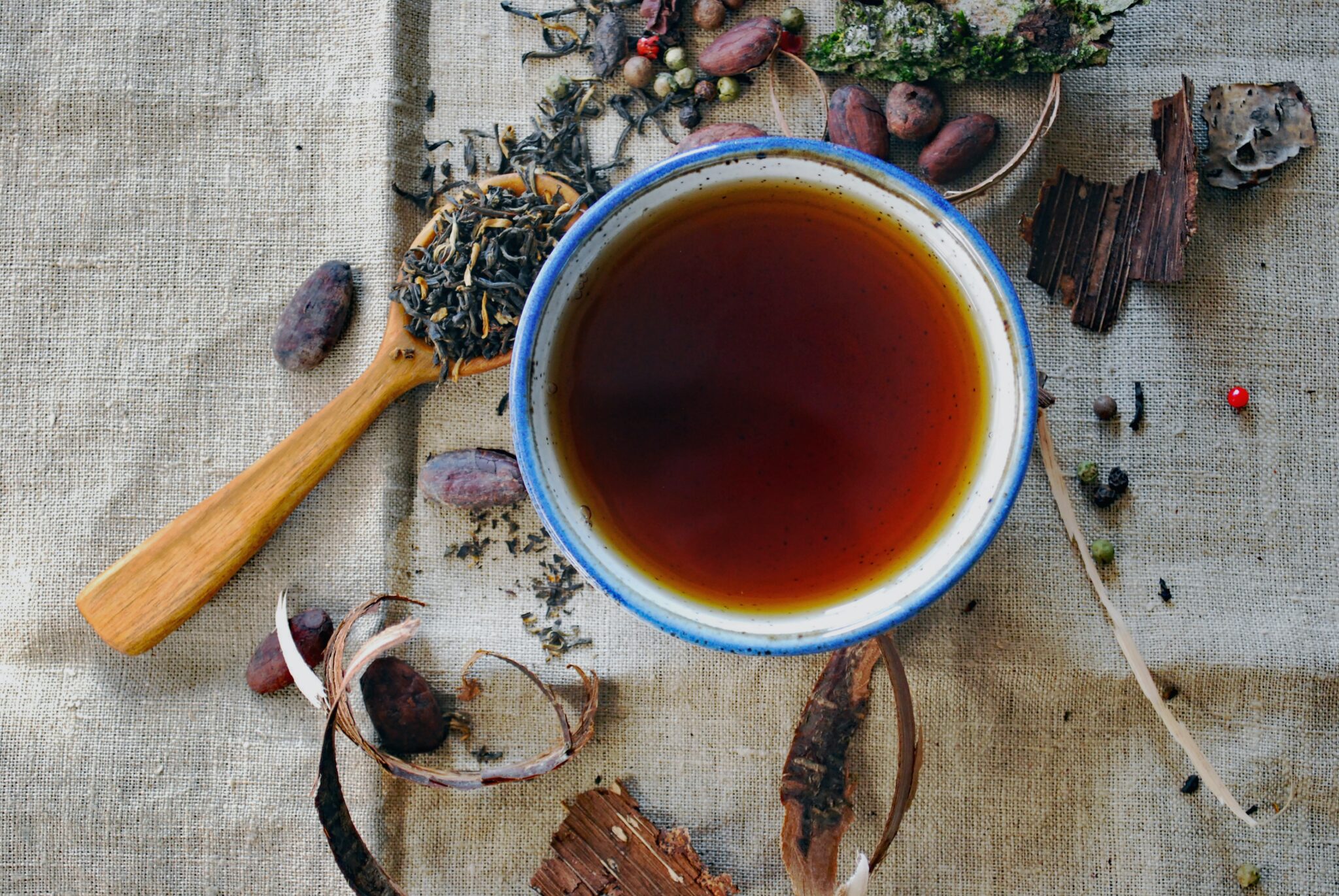
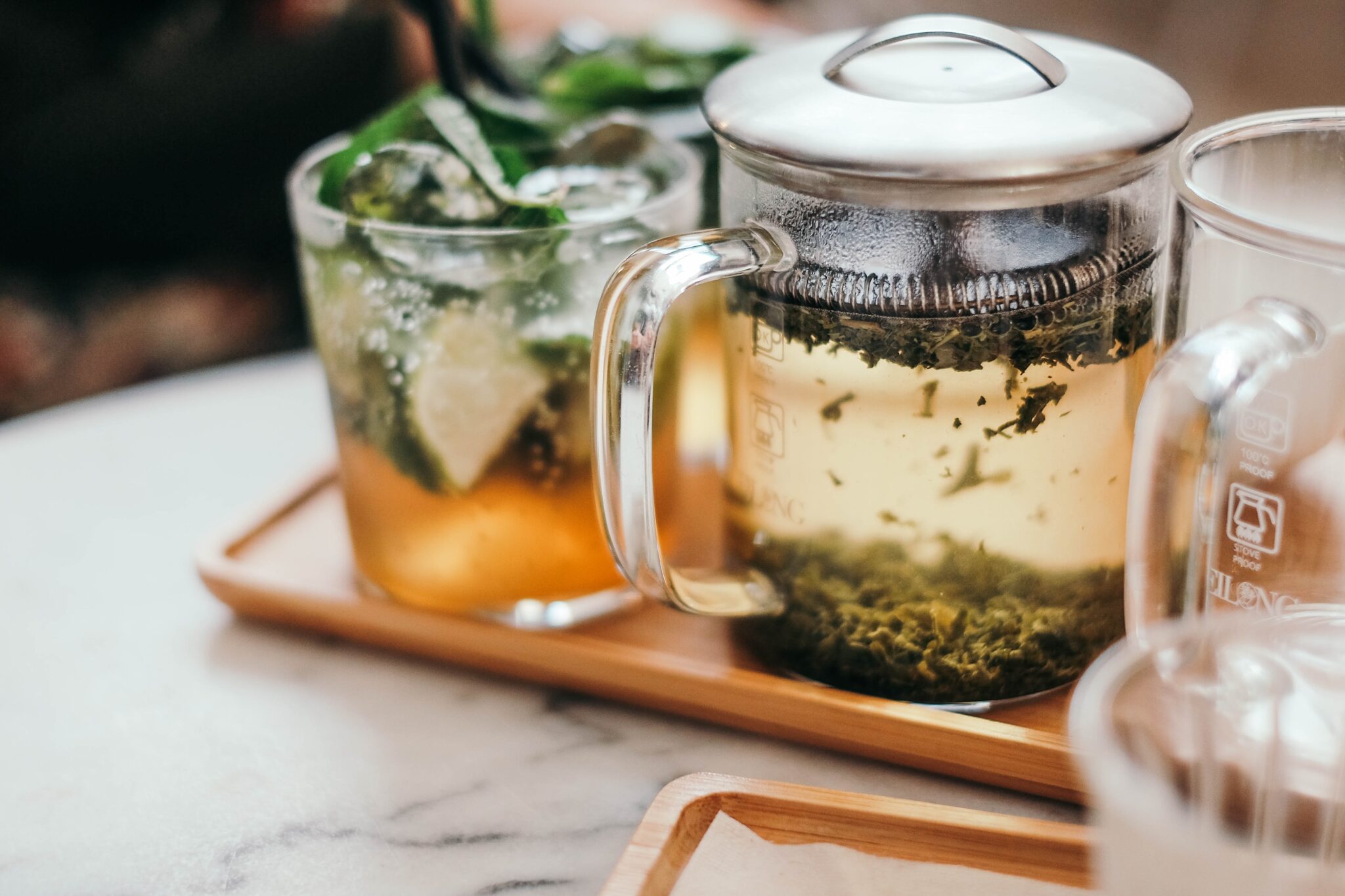
Photography by: Content Pixie, Drew Jemmett, Joanna Kosinska, Nathan Dumlao, and Valentine Werne @ Unsplash